To effectively lose weight with high-protein dieting, focus on incorporating protein-rich foods into your meals while reducing carbohydrate intake. A high-protein diet helps control appetite and boosts metabolism, making weight loss more manageable. Prioritize lean meats, legumes, and dairy products while avoiding processed foods. Consistency and meal planning are key to success.
Understanding the balance between protein, carbohydrates, and fats is crucial. While high-protein diets can be beneficial for weight loss, it’s essential to ensure you’re still consuming a well-rounded diet that includes healthy fats and carbohydrates. Many people mistakenly believe that cutting carbs entirely is necessary, but moderate intake can support energy levels and overall health. Prioritize whole foods over processed options to maximize nutrient intake.
Benefits of a High-Protein Diet
A high-protein diet offers numerous benefits for those looking to lose weight. Firstly, protein promotes satiety, which helps curb hunger and reduces overall calorie intake. Studies show that individuals on high-protein diets tend to consume fewer calories throughout the day compared to those on lower-protein diets. Furthermore, protein has a higher thermic effect, meaning your body burns more calories digesting it compared to fats and carbohydrates.
Additionally, maintaining a higher protein intake helps preserve lean muscle mass during weight loss. When you lose weight, especially through caloric restriction, you risk losing muscle along with fat. By consuming adequate protein, you can support muscle retention, which in turn boosts metabolism and aids in maintaining weight loss over time.
Choosing the Right Protein Sources
When selecting protein sources, focus on lean options that provide essential nutrients without excess saturated fat. Some excellent choices include chicken breast, turkey, fish, tofu, legumes, and low-fat dairy products. Incorporating a variety of protein sources not only ensures you receive a range of amino acids but also helps keep meals interesting and satisfying.
Avoid overly processed protein sources, such as certain protein bars and shakes, as they can contain added sugars and unhealthy fats. Instead, aim for whole food sources whenever possible. This approach not only maximizes nutrient intake but also supports overall health during your weight loss journey.
Meal Planning for Success
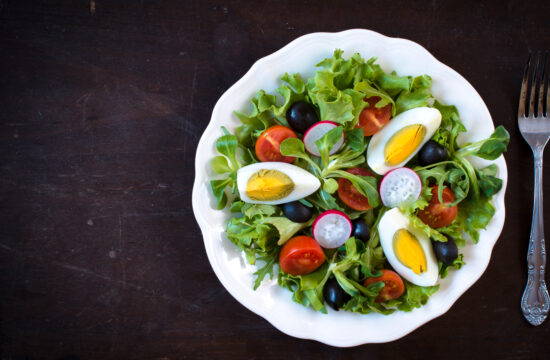
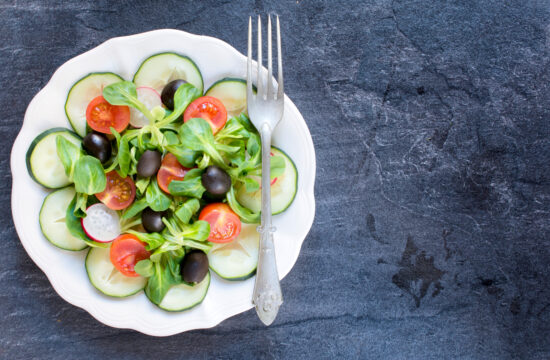
Effective meal planning is essential for sticking to a high-protein diet. Start by setting aside time each week to plan your meals and snacks. Include a variety of protein sources in your meals, such as grilled chicken salads, quinoa bowls with beans, or omelets loaded with vegetables.
Portion control is also important. Even with healthy foods, consuming more calories than your body needs can hinder weight loss efforts. Use measuring tools or visual cues to help manage portion sizes. Additionally, prepping meals in advance can help you avoid last-minute unhealthy choices.
Support Your Weight Loss Goals
Huge Discount on the Best Certified Organic Nutrient Dense Supplement!
Common Mistakes to Avoid
One common mistake when adopting a high-protein diet is neglecting other food groups. While protein is important, it’s essential to include healthy fats and carbohydrates to support overall health and energy levels. Aim for a balanced plate that includes vegetables, whole grains, and healthy fats alongside your protein.
Another mistake is over-relying on high-protein snacks, which can lead to excessive calorie consumption. Instead, focus on whole meals that satisfy your hunger and provide a range of nutrients. Monitoring your overall caloric intake is crucial, as even high-protein foods can contribute to weight gain if consumed in excess.
Further Reading
Authoritative Sources
- Library of Congress Research Guides
guides.loc.govResearch guides that help readers locate reliable background sources on a wide range of subjects.
- USA.gov Official Information and Services
usa.govOfficial U.S. government information and public resources for practical reference.
- Google Scholar
scholar.google.comAcademic search resource for finding research literature and source material.
Frequently Asked Questions
What are the best sources of protein for weight loss?
Lean meats, fish, eggs, beans, and low-fat dairy are excellent protein sources for weight loss.
How much protein should I eat daily to lose weight?
A general recommendation is 0.8 to 1.0 grams of protein per kilogram of body weight, but this can vary based on individual goals and activity levels.
Can I lose weight without cutting carbs completely?
Yes, you can lose weight while still including moderate amounts of carbohydrates in your diet.
What are some high-protein snacks?
Greek yogurt, cottage cheese, nuts, and protein bars can be healthy high-protein snacks.
Is a high-protein diet safe for everyone?
While high-protein diets can be safe for many, individuals with certain health conditions should consult a healthcare professional before making significant dietary changes.
Conclusion
In summary, losing weight with a high-protein diet involves incorporating a variety of protein-rich foods while maintaining a balanced intake of carbohydrates and healthy fats. Focus on whole, unprocessed foods, and prioritize meal planning to ensure you stay on track. Avoid common pitfalls, such as neglecting other food groups or over-relying on protein snacks. By making informed choices and being consistent, you can effectively achieve your weight loss goals.
Support Your Weight Loss Goals
HUGE DISCOUNT ON THE BEST CERTIFIED ORGANIC NUTRIENT DENSE SUPPLEMENT!
Related Content
- Why Dieting Is Easier With Structure: Key Methods and Practical Plans for Success
- The Best Keto Diet Desserts to Satisfy Your Sweet Tooth
- How to Lose Weight Naturally at Home: Effective Strategies and Practical Steps
- 10 Effective Tips on How to Control Hunger Naturally in 2025
- How to Create an Organic Diet on a Budget