Need a Strong Nutrition Boost for Your Diet? Take a Look...
- 1. Set Clear and Realistic Goals
- 2. Focus on Nutrient-Dense Foods
- 3. Balance Macronutrients Effectively
- 4. Control Portion Sizes
- 5. Incorporate Consistent Meal Timing
- 6. Plan for Flexibility and Enjoyment
- 7. Track Progress and Adjust Accordingly
1. Set Clear and Realistic Goals
Understanding Your Why
Before diving into how to build a fat loss meal plan, itâs essential to understand why you want to achieve fat loss. Setting clear, achievable goals helps maintain motivation and provides direction. For instance, aim to lose 1-2 pounds per week, which is considered safe and sustainable according to health experts in 2025.
Consider your personal motivationsâwhether itâs improving health, fitting into a favorite outfit, or boosting confidence. The better you understand your reason, the more likely you are to stick with your meal plan consistently.
Setting specific milestones, like losing a certain amount of inches or achieving a fitness milestone, can also boost your confidence and keep you focused on your journey.
SMART Goal Framework
Use the SMART (Specific, Measurable, Achievable, Relevant, Time-bound) framework when planning your fat loss goals. For example, âI want to lose 10 pounds in three months by following a structured meal plan and exercising three times a week.â
This framework adds structure to your planning and helps you measure progress objectively. Regularly reviewing your goals allows adjustments as needed and keeps the process aligned with your lifestyle in 2025.
Remember, realistic goals also prevent frustration and burnout. As you learn how to build a fat loss meal plan, adjusting goals based on your progress is key to sustaining success.
2. Focus on Nutrient-Dense Foods
What Are Nutrient-Dense Foods?
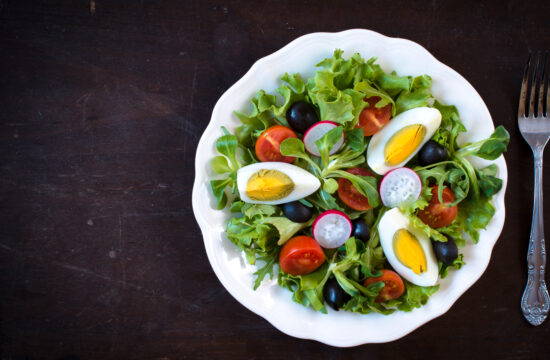
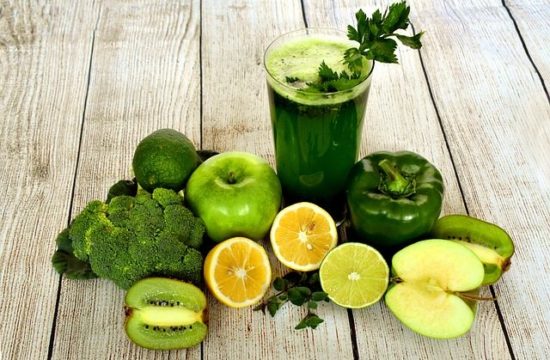
Nutrient-dense foods are rich in vitamins, minerals, fiber, and other nutrients relative to their calorie content. They support fat loss by providing essential nourishment without excess calories. Think vegetables, fruits, lean proteins, whole grains, and healthy fats.
In 2025, research shows that prioritizing nutrient-dense foods enhances metabolic health and satietyâmaking it easier to adhere to your meal plan. For example, leafy greens like spinach and kale offer fiber, antioxidants, and minimal calories.
Incorporating these foods into your daily meals ensures your body gets what it needs for energy, recovery, and overall health while supporting weight loss goals.
Practical Tips for Incorporation
Start each meal with a serving of vegetables or a fruit to increase fiber intake and fullness. Replace refined grains with whole grainsâlike switching white rice for quinoa or brown rice.
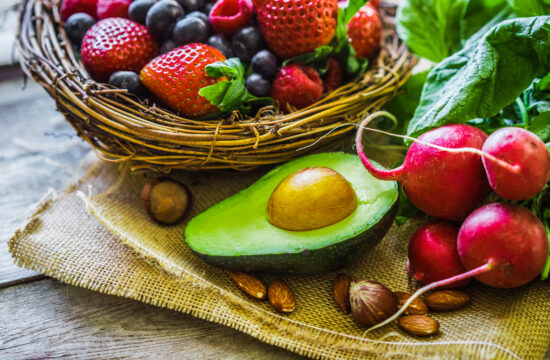
Choose lean protein sources such as chicken breast, tofu, or fish, which are high in quality and support muscle maintenance during fat loss. For healthy fats, add sources like avocados, nuts, and olive oil, but keep portions in check to maintain calorie control.
Making these swaps isnât just about restriction; itâs about optimizing your nutritional intake to support sustainable fat loss in 2025.
3. Balance Macronutrients Effectively
What Are Macronutrients and Why They Matter
Macronutrientsâprotein, carbohydrates, and fatsâare the building blocks of a healthy meal plan. Understanding how to balance them is crucial when figuring out how to build a fat loss meal plan in 2025. Proper balance maximizes fat loss while preserving muscle mass and energy levels.
Current research emphasizes the importance of integrating sufficient protein to promote satiety and thermogenesis. Carbohydrates provide quick energy, especially important if you exercise regularly, while healthy fats support hormone production and cell health.
Maintaining an appropriate macronutrient ratio tailored to your activity level, metabolic rate, and preferences helps keep your meal plan both effective and enjoyable.
How to Determine Your Ideal Ratios
Typically, a balanced fat loss meal plan includes around 40-50% carbs, 25-30% protein, and 20-30% fats, but these can vary based on individual needs. For example, an active person might require higher carbs to fuel workouts.
Use tools like macro calculators to fine-tune your intake or consult with a nutritionist for personalized recommendations. Tracking your intake initially helps you understand if your ratios align with your goals.
In 2025, many successful dieters utilize apps and wearable technology to monitor their macros, enabling precise adjustments and optimized results.
4. Control Portion Sizes
The Importance of Portion Control
While nutrient quality is vital, controlling portion sizes directly impacts your calorie intakeâkey to effective fat loss. Overeating healthy foods can still hinder progress.
One effective method is using smaller plates, bowls, and utensils to trick your brain into feeling satisfied with less food. Additionally, measuring portions until you get a feel for appropriate sizes helps build awareness.
Understanding serving sizesâsuch as a palm-sized portion of protein or a fist-sized carbohydrateâcan make it easier to manage your intake naturally.
Practical Tips for Portion Control
Meal prepping in advance helps prevent impulsive overeating. Pack your meals in single-serving containers to avoid second helpings. Setting specific daily calorie targets aligns with your fat loss goals.
Pay attention to hunger cuesâeat slowly and stop when youâre comfortably full. Remember, a significant part of how to build a fat loss meal plan is about consistency and moderation, not deprivation.
In 2025, digital scales and portion control tools become more accessible, providing precise measurements to support your plan.
Good HealthY DIETING Solution is Easier Than Most People Think!
Take a Look for Yourself!
5. Incorporate Consistent Meal Timing
The Benefits of Regular Meal Schedule
Having consistent meal times helps regulate blood sugar levels, control hunger, and improve metabolic efficiency. This consistency makes it easier to learn how to build a fat loss meal plan that fits your lifestyle.
Many health experts recommend eating every 3-4 hours to keep energy stable and prevent overeating later. In 2025, emerging evidence supports the idea that meal timing can impact fat loss effectiveness when paired with calorie control.
Find a rhythm that works for your daily routineâwhether itâs three large meals or smaller meals and snacks throughout the dayâthatâs sustainable and keeps you energized.
Tips for Implementation
Plan your meals ahead and set alarms or reminders to stick to your schedule. Prioritize high-protein, fiber-rich foods to maintain fullness.
Adjust meal timing based on your workout scheduleâeating carbs post-exercise can aid recovery and optimize fat burning.
Remember, flexibility is key; in 2025, personalized meal timing strategies considering your unique lifestyle and preferences are gaining popularity.
6. Plan for Flexibility and Enjoyment
Allowing for Treats and Variations
While your goal is fat loss, rigid dieting can backfire. Learning how to build a fat loss meal plan that includes flexibility ensures long-term adherence. Include occasional treats or meals that you genuinely enjoy.
Strategic indulgence with moderation prevents feelings of deprivation, which often lead to binge eating. For example, plan a weekly cheat meal or incorporate preferred foods within your calorie limit.
This balanced approach promotes mental well-being and makes your journey more sustainable over the long run.
Creating a Sustainable Meal Plan
Experiment with different recipes, cuisines, and ingredients to keep meals exciting. Use substitutes like cauliflower rice instead of traditional rice or zucchini noodles instead of pasta.
Involving family or friends in meal planning enhances enjoyment and accountability. As of 2025, more people are adopting flexible dieting because it works better for overall health and happiness.
Remember, the key to how to build a fat loss meal plan that lasts is making it enjoyable and aligned with your life.
7. Track Progress and Adjust Accordingly
Monitoring Your Results
Keeping track of your progress is essential for understanding whatâs working and what needs adjustment. Use methods like progress photos, measurements, or scale weight, but donât rely solely on the scale.
In 2025, digital tools such as apps or smart scales make tracking more precise and convenient. Regular check-ins help you stay motivated and informed about your fat loss journey.
Listening to your body’s signalsâsuch as energy levels and hungerâalso provides valuable feedback for your plan.
Making Data-Driven Adjustments
If you hit a plateau, consider revisiting your portion sizes, macro ratios, or meal timing. Small tweaks, guided by your tracked data, can lead to renewed progress.
Flexibility and patience are areas where many people succeed. Remember, in 2025, personalized coaching and AI-driven insights are becoming popular for optimizing meal plans based on real-time data.
Keep your focus on sustainable changes rather than quick fixes for long-lasting results.
Frequently Asked Questions
1. What is the best way to learn how to build a fat loss meal plan?
The best way is to educate yourself on balanced nutrition, set realistic goals, and develop a flexible plan that includes nutrient-dense foods, proper portion sizes, and regular monitoring.
2. How important is meal timing in a fat loss plan in 2025?
Meal timing supports fat loss by helping regulate energy and hunger. Consistent schedules combined with nutrient-rich foods optimize results, especially when personalized to your lifestyle.
3. Can I include my favorite foods in my fat loss meal plan?
Yes, including favorite foods in moderation helps maintain satisfaction and adherence. Flexibility is part of a sustainable approach to how to build a fat loss meal plan.
4. How often should I track my progress while on a fat loss meal plan?
Weekly or bi-weekly tracking, using measurements, photos, or digital tools, helps you stay accountable and make informed adjustments.
Conclusion
Knowing how to build a fat loss meal plan is fundamental to achieving your health and fitness goals in 2025. By setting clear goals, focusing on nutrient-dense foods, balancing macronutrients, controlling portions, maintaining consistent meal timing, planning for flexibility, and tracking progress, you create a sustainable strategy for fat loss. Embrace these seven effective strategies, and you’ll be well on your way to a healthier, fitter version of yourself in 2025. Remember, success is a journeyâstay consistent, adaptable, and motivated!